Your lock is the first line of defence between your home and an intruder. Choosing a cheap lock may seem like a simple way to save money, but it often creates a serious security weakness. Many break-ins do not involve complex methods. They happen because a lock fails quickly under pressure or can be bypassed with minimal effort.
Low-cost locks are rarely built to withstand modern burglary techniques. They often lack the internal strength, durability, and testing required to provide real protection. While they may appear secure from the outside, their performance under stress is where the problem becomes clear. Understanding these risks allows you to make better decisions and avoid exposing your property unnecessarily. A professional locksmith can assess your current locks and recommend secure, tested options that properly protect your home.
Do cheap locks break or fail more easily under force?
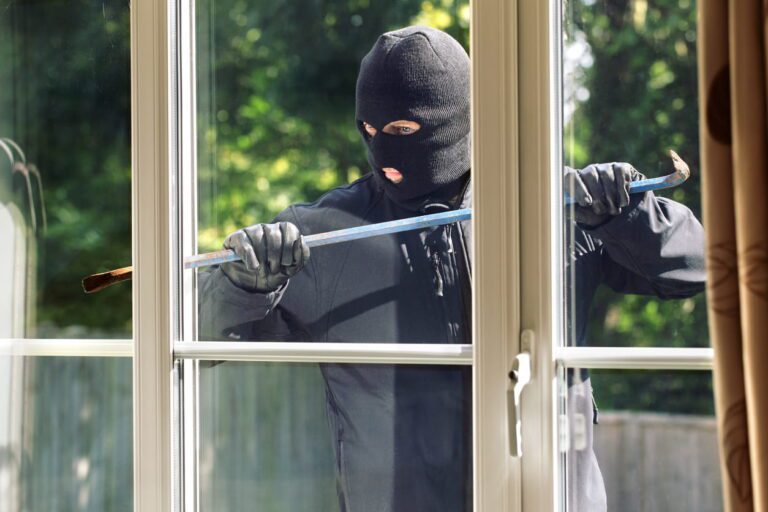
Cheap locks are typically made using lower-quality materials and simpler internal mechanisms. This combination makes them easier to break, twist, or snap using basic tools. When pressure is applied, they do not hold up for long, and once they fail, the barrier protecting your home is effectively gone.
Many low-cost locks have not been properly tested against real-world attack methods. They are designed to function, not to resist. This means they may work day to day but offer very little resistance when targeted. A lock that fails quickly removes any delay, which is often the only thing preventing entry.
This is why strength under pressure matters. A stronger lock does not just exist to lock a door, it exists to resist being opened when someone is trying to force it. At Rockhopper Locks, our professional local locksmiths install only British Standard locks to keep your home secure.
Are cheap locks easier to bypass without force?
Cheap locks are not only weaker under force, they are also easier to manipulate. Basic pin systems can be aligned more easily, making them more vulnerable to picking and other non-destructive entry techniques.
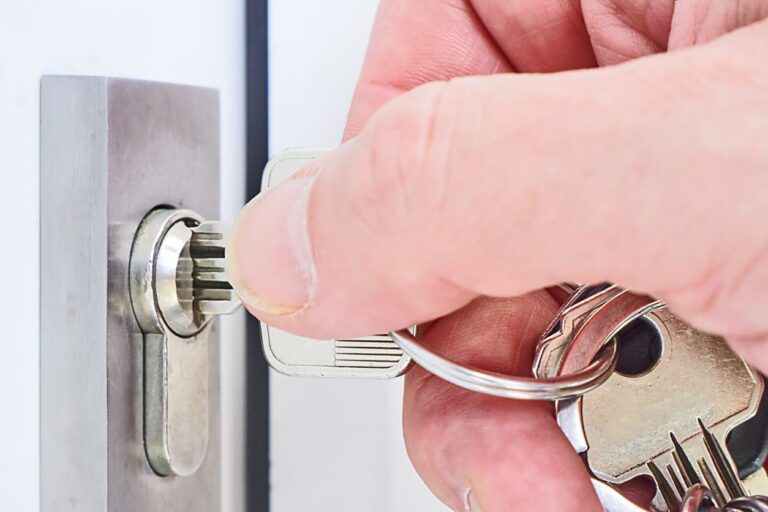
In the UK, one of the most common methods used is lock snapping, particularly with euro cylinder locks. Cheaper cylinders often lack anti-snap protection, which allows them to break cleanly within seconds. Once snapped, the internal mechanism is exposed and can be operated quickly.
This method is widely used because it is fast, quiet, and requires very little skill. A weak lock reduces the effort even further. Stronger locks are designed to resist this type of attack, increasing the time and difficulty involved. In many cases, that added resistance is enough to make an intruder move on.
Do they wear out faster and become unreliable over time?
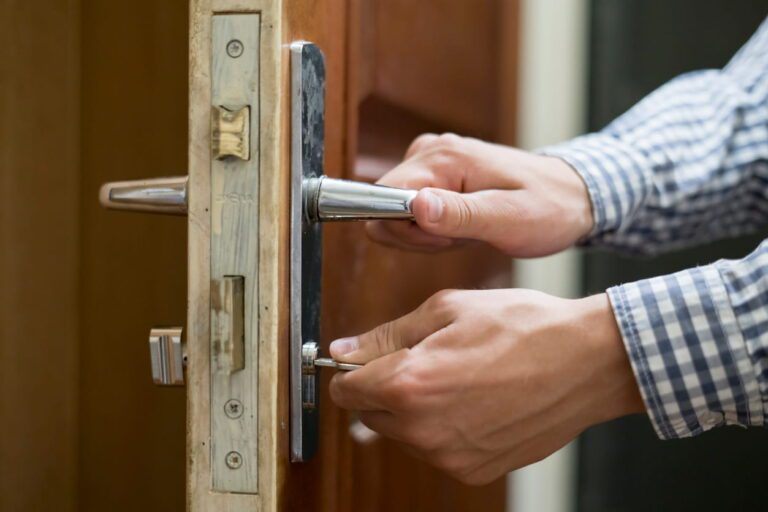
Cheap locks wear out faster due to lower-quality materials and construction. Internal components degrade, leading to stiffness, poor alignment, and inconsistent performance. These issues often develop gradually, making them easy to overlook until the lock begins to fail.
As the mechanism weakens, the key may become harder to turn, the lock may not engage properly, and it becomes easier to force open. At the same time, the risk of lockouts increases. Replacing cheap locks repeatedly often costs more in the long run than investing in a reliable lock from the start.
Do cheap locks create a false sense of security?
One of the biggest issues with cheap locks is that they often look secure. From the outside, there may be little visible difference between a low-cost lock and a high-quality one. This creates a false sense of security, where you believe your property is protected when it is not.
This gap between perception and performance is where the real risk sits. Burglars are experienced at identifying weak locks and will often target properties where entry appears quick and low risk.
Even if other aspects of your home security are strong, a single weak lock undermines the entire system. Security does not fail across every point at once, it fails at the easiest one. Strengthening that weakest point significantly improves your overall protection.
Are Cheap Locks Worth the Risk Compared to Secure Alternatives?
Cheap locks do not just affect physical security, they can also impact your insurance cover. Many UK home insurance policies require locks that meet British Standards such as BS3621 or TS007, confirming they can resist common burglary methods. If your locks do not meet these requirements, your insurer may reject a claim after a break-in, leaving you to cover the full cost.
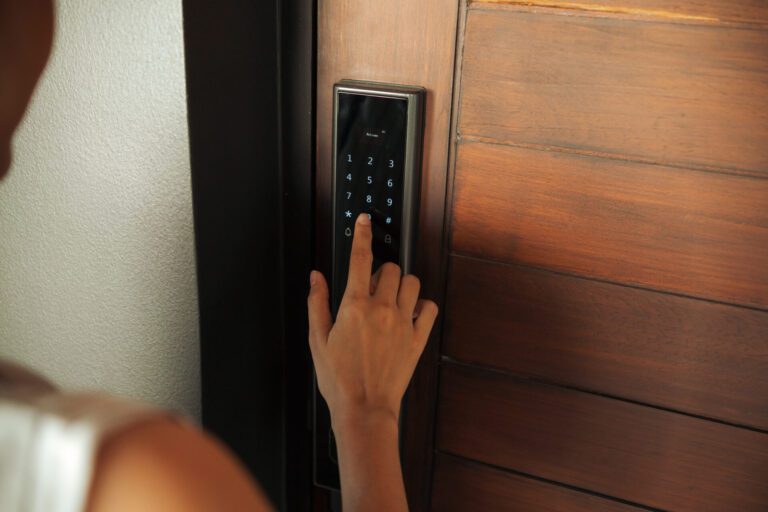
A secure lock is built from stronger materials and designed to withstand force. Features such as anti-snap protection, drill resistance, and reinforced components make entry more difficult. This added resistance increases the time and effort required, which often discourages intruders. While a higher-quality lock costs more upfront, it lasts longer and provides far better protection over time.
Secure Your Home with the Right Lock And Rockhopper Locks
Cheap locks create unnecessary risk by failing under pressure, wearing out faster, and offering less resistance to common burglary methods. They may seem like a saving at first, but they increase your exposure to both security threats and ongoing costs. Upgrading to a secure, tested lock strengthens your home immediately. It removes a common point of entry and improves your overall level of protection. If you want to improve your home security, contact us and make sure your locks are built to protect your property properly.
If you want to improve your home security, Rockhopper Locks provides expert advice and professional installation to ensure your locks are built to protect your property properly. We offer our services throughout Horsell, Pyrford, Lindford, and more – so contact us now.