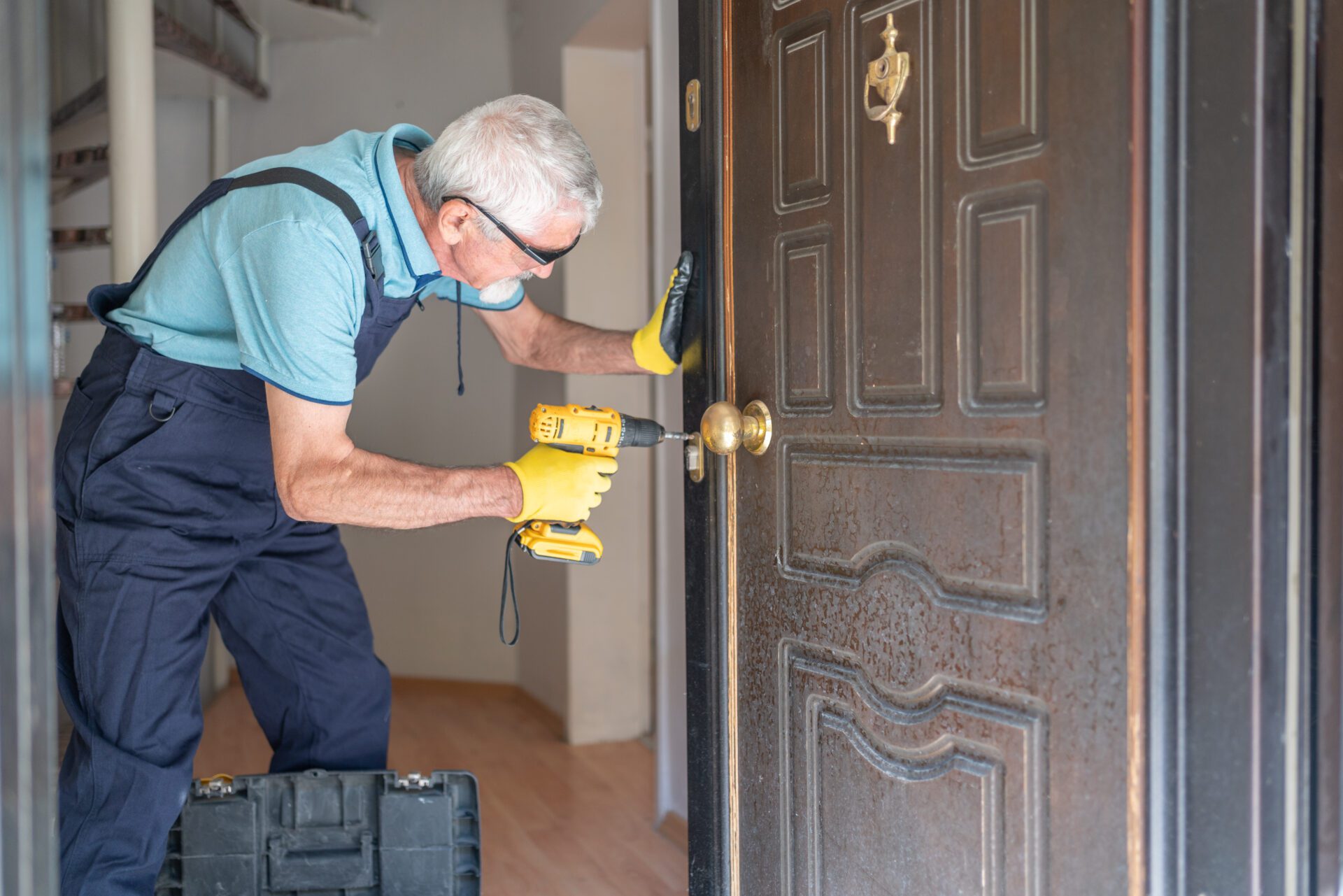
Your locks protect your home, your belongings, and your day-to-day safety. When they start to fail, they can create a weakness that affects both access and security.
At Rockhopper Locks, we often see lock problems that begin with small warning signs. A stiff key, loose handle or unreliable mechanism may not seem urgent at first, but these issues can quickly turn into lockouts, failed locks or security risks.
Knowing what to look for helps you act before the problem gets worse.
Is Your Lock Showing Signs of Wear or Poor Performance?
Locks should work smoothly every time you use them. If your lock starts to feel different, it is usually worth checking sooner rather than later.
Early warning signs include:
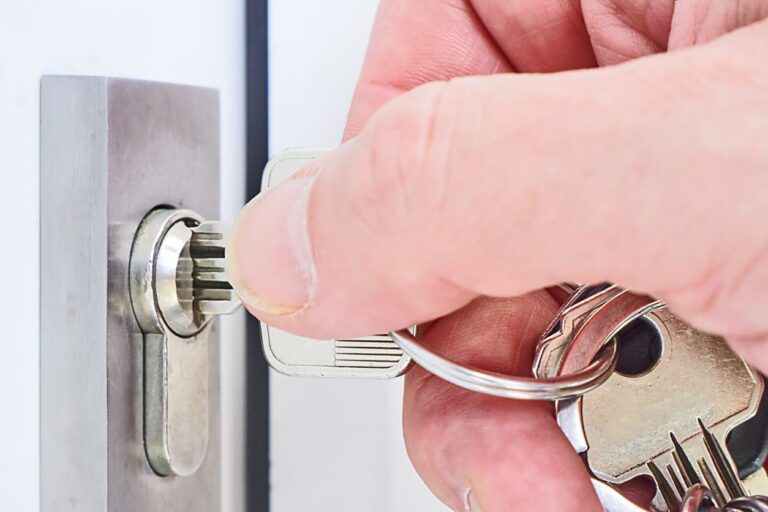
- A key that sticks or catches
- A lock that needs force to turn
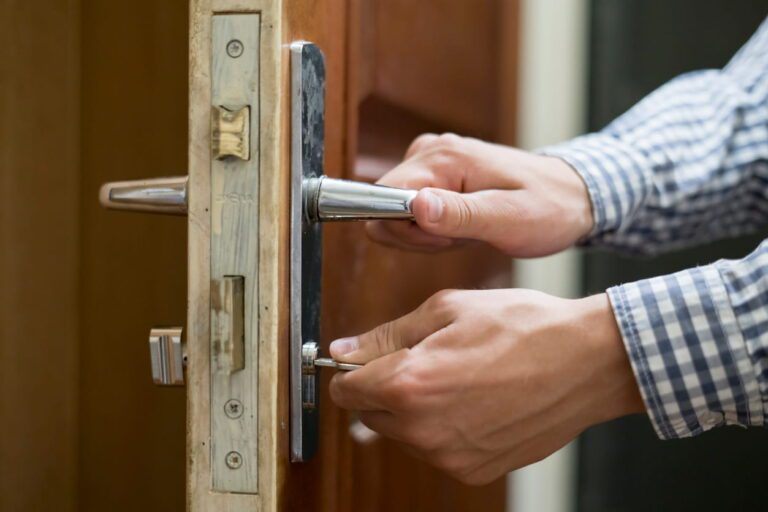
- A handle that feels loose
- A door that only locks when pushed or lifted
- A lock that feels unreliable day to day
These signs often point to wear, misalignment or damage inside the mechanism and indicate that it is time to involve a professional local locksmith. At Rockhopper Locks, we offer our services throughout Surrey, Hampshire, and Berkshire – contact us now for more information.
Are You Noticing Stiffness, Resistance Or Poor Operation?
A stiff lock is one of the most common signs that something is wrong. This can happen when internal parts wear down, dirt builds up or the door moves slightly out of line.
Forcing the key is never a good idea. Too much pressure can damage the mechanism or cause the key to snap inside the lock. Once that happens, a simple repair can become a more urgent job.
If the lock feels stiff, catches halfway or only works in a certain position, it is best to have it checked before it fails completely.
Is Your Lock Failing To Engage Properly?
A lock that does not engage fully can leave your home less secure than it appears. The key may turn, but the bolt or mechanism may not be sitting correctly in the frame.
This can happen due to worn parts, loose fittings, or door alignment issues. uPVC and composite doors are particularly prone to movement over time, which can strain the locking system.
You may notice the door needs to be pushed, pulled or lifted before it locks. That is usually a sign that something needs adjusting or repairing.
Is Your Lock Damaged, Compromised Or Outdated?
Not every lock problem is caused by wear. Damage, attempted tampering and older security standards can all affect how well your lock protects your home.
A lock may still open and close, yet no longer offer the right level of protection.
Is There Visible Damage Or Signs Of Tampering?
Visible damage should always be taken seriously. Rust, cracks, loose cylinders, and worn fittings can all weaken a lock.
You should also look for signs that someone may have tried to interfere with the lock, such as:
- Scratches around the keyhole
- A cylinder that feels loose
- Marks around the door handle
- Damage near the frame
- A lock that suddenly feels different
Even if no one gained access, the lock may still have been weakened. Rockhopper Locks can inspect the damage and advise whether repair or replacement is the safer option.
Are Your Locks Outdated Or Vulnerable To Modern Break-In Methods?
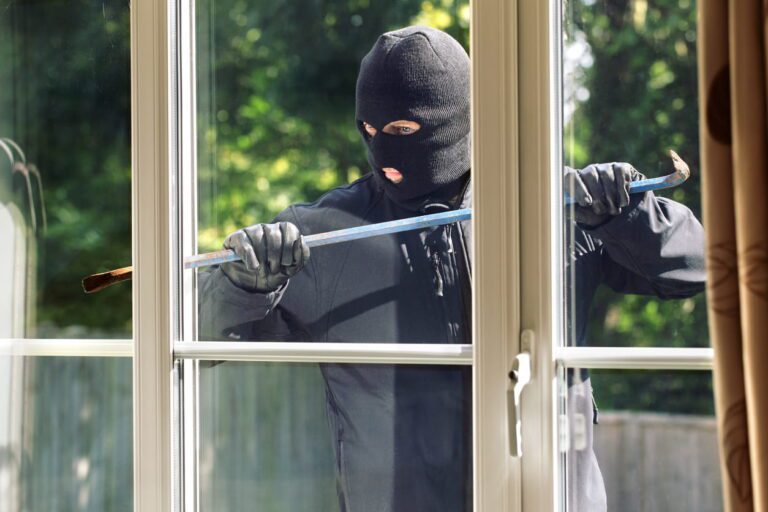
Older locks may still work, but they may not resist common break-in methods used today. This is especially important with older euro cylinder locks on uPVC and composite doors.
Basic euro cylinders can be vulnerable to lock snapping. Replacing them with anti-snap cylinders can remove a major weak point without changing the whole door.
British Standard locks can also be important for insurance. Some policies require locks that meet recognised standards, so it is worth checking whether your current locks meet those standards.
Are You Losing Control or Experiencing Ongoing Lock Issues?
A lock can also become a risk when you no longer know who has access or when the same fault keeps returning.
Security is not only about the condition of the lock. It is also about control.
Have You Lost Control Of Who Has Access?
If keys have been lost, stolen or copied, changing the lock is usually the safest option. The same applies if you have recently moved home and do not know who may still have a key.
This is especially important for rental properties, shared homes or properties where several people have had access over time.
Replacing the lock restores control and gives you a clear starting point for home security.
Are You Dealing With Repeated Faults Or Lockouts?
Repeated lock problems are a strong sign that something needs attention. If the same lock keeps sticking, failing or leaving you locked out, the underlying issue is unlikely to fix itself.
A repair may be enough if the lock is still in good condition. Replacement may be better if the lock is worn, damaged, outdated or no longer secure.
Acting early helps avoid emergency callouts and keeps your home protected.
Secure Your Home Before the Problem Gets Worse With Rockhopper Locks
Lock problems rarely improve on their own. A small fault can become a failed mechanism, a snapped key or a door that no longer secures properly.
If your lock feels stiff, loose, damaged or unreliable, it is worth getting it checked before it becomes a bigger issue.
For reliable lock repairs, replacements and upgrades, contact Rockhopper Locks today. We provide services in Bracknell, Farnborough, Yateley, and more and can assess the problem, explain the best solution and help keep your home secure.