Locks are used every day, but most homeowners only think about them when something goes wrong. A stiff key, loose handle or faulty locking mechanism can seem minor at first, but small issues can quickly affect both access and security.
At Rockhopper Locks, we often see lock problems that start with a simple warning sign. The lock became harder to turn, the handle felt loose, or the door needed extra pressure to lock. Acting early can prevent a repair from turning into a lockout or full replacement.
Understanding the most common lock problems helps you know when to take action and when to call a professional locksmith.
Why Do Locks Become Stiff Or Difficult To Use?
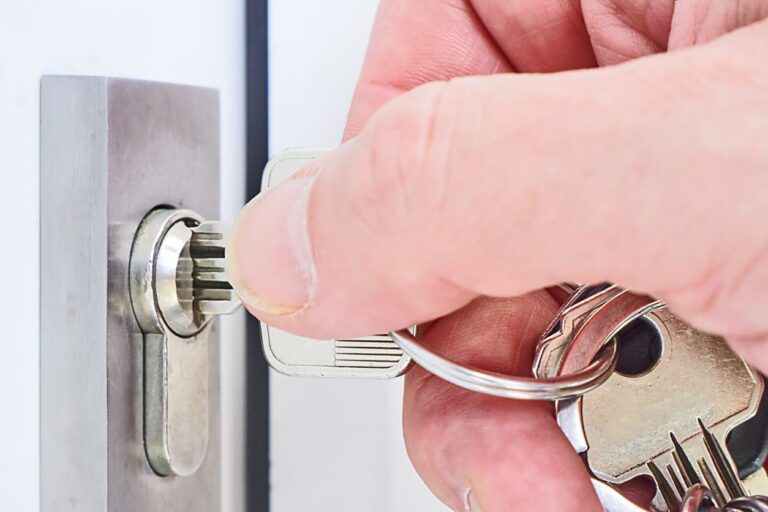
A stiff lock is one of the most common problems in homes. It usually develops gradually as internal parts wear down or dirt builds up inside the mechanism.
You may notice:
- The key feels tight when turning
- The lock catches halfway
- The key needs to be pulled back slightly before it turns
- The door only locks if you lift or push it in a certain way
Forcing a stiff lock can make the issue worse. It may damage the internal parts or cause the key to snap inside the lock. Cleaning, lubrication, or adjustment may solve the problem if it is caught early, but a badly worn lock may need to be replaced. If you’re experiencing any of these issues, it’s time to contact a trusted local locksmith for assistance.
How Does Misalignment Affect Your Lock?
A lock may work perfectly on its own, yet still fail because the door is out of alignment. This happens when the door, frame or hinges move over time.
Changes in temperature, regular use and general wear can all affect how the lock lines up with the keep or strike plate. If the bolt cannot enter smoothly, the lock may feel stiff or unreliable.
A misaligned door can also create a false sense of security. The key may turn, but the lock might not be engaging properly. This means the door may not be as secure as it appears.
Common signs of misalignment include a door catching on the frame, a handle that needs to be lifted forcefully, or a lock that only works when the door is pushed or pulled.
Why Do Locks Or Handles Become Loose?
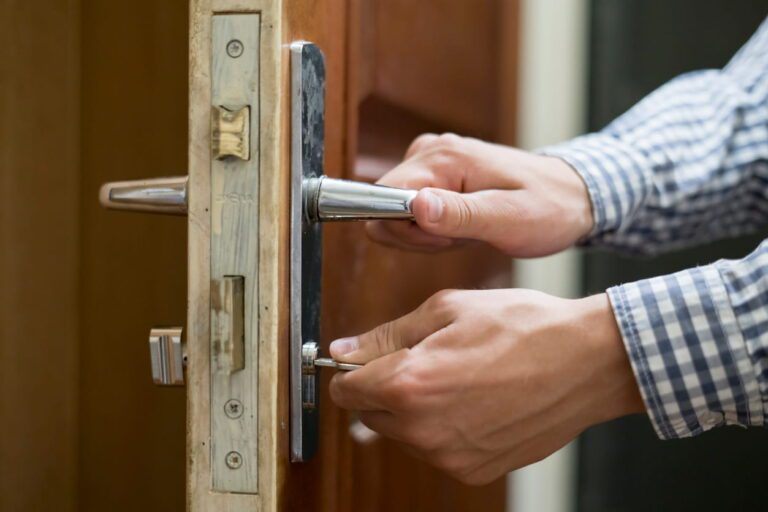
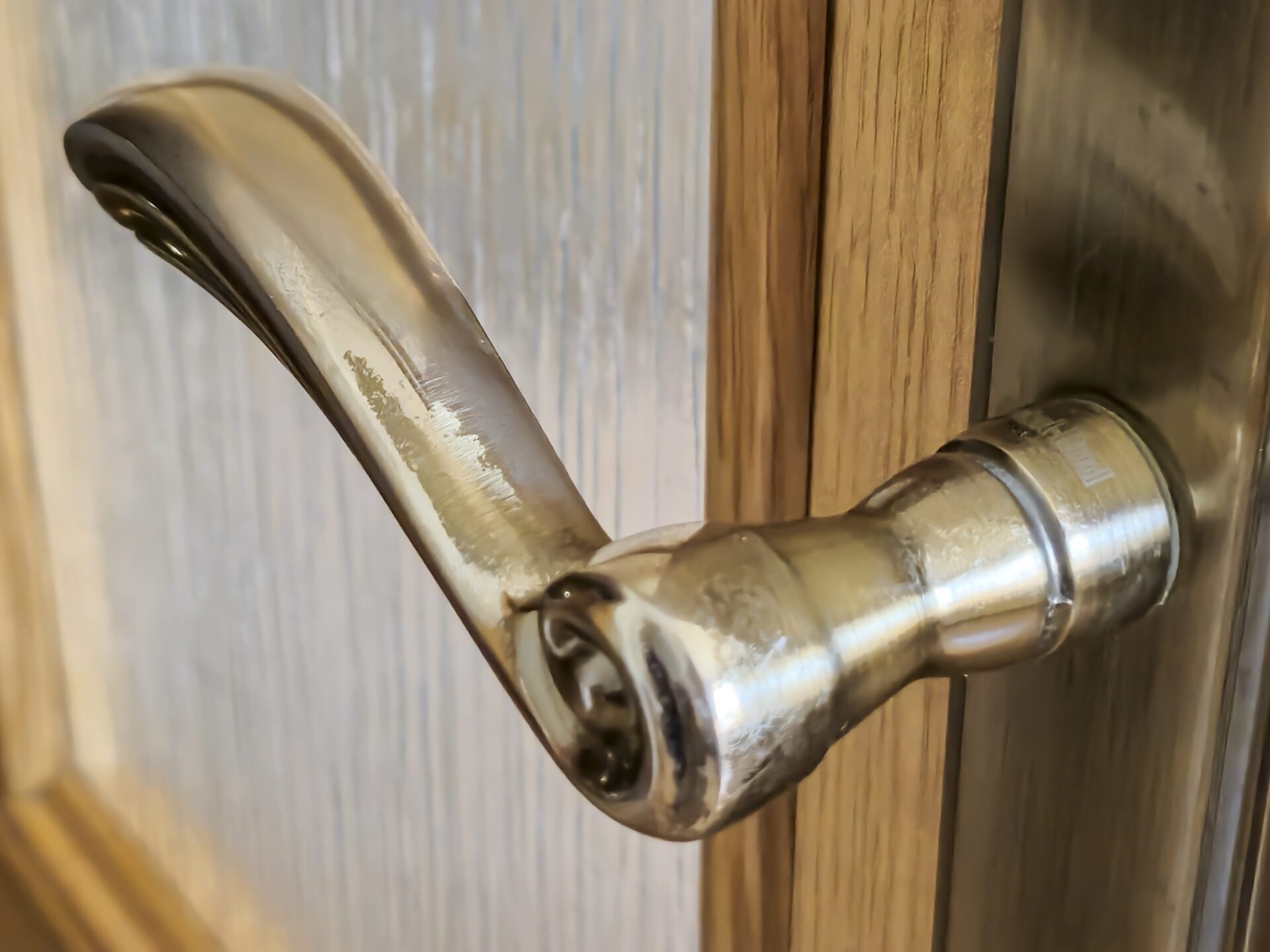
Loose locks and handles are another common household issue. Over time, screws, fittings and internal parts can wear down through daily use.
A loose handle may seem like a minor annoyance, but it can weaken the entire locking system. If the handle moves too much, the mechanism may not operate cleanly. In some cases, this can stop the door from locking or unlocking properly.
Loose locks should not be ignored, especially on external doors. Tightening the correct parts or replacing worn components can restore strength and help prevent the issue from getting worse.
Why Do Keys Get Stuck Or Break Inside Locks?
Keys usually get stuck because something inside the lock is worn, dirty or out of line. A damaged key can also cause problems, especially if it has become bent or worn down over time.
If your key starts sticking, avoid using force. Pulling, twisting or pushing too hard can cause the key to snap inside the lock. Once this happens, the broken part may need to be extracted,, and the lock may need to be repaired or replaced.
A locksmith from Rockhopper Locks can check whether the issue lies with the key, the cylinder, or the entire locking mechanism.
Why Are uPVC And Multi-Point Locks More Prone To Issues?
uPVC doors often use multi-point locking systems. These secure the door at several points, usually when the handle is lifted, and the key is turned.
Because these systems rely on several parts working together, one fault can affect the whole mechanism. If the gearbox, hooks, rollers or keeps are out of line, the door may become difficult to lock.
uPVC doors can also be affected by heat and cold. Warmer weather can cause slight expansion, while colder weather can cause contraction. These small movements can place extra strain on the lock over time.
If your uPVC door needs force to lock, it is best to get it checked before the mechanism fails completely.
When Should An Old Lock Be Replaced?
Some older locks still work, but no longer provide the level of security your home needs. This is especially important with older euro cylinders that lack anti-snap protection.
You should consider replacing an old lock if:
- It feels loose or worn
- It has become stiff or unreliable
- The key is damaged or difficult to turn
- The lock does not meet modern security standards
- You have recently moved into the property
- You are unsure who may still have a key
A modern, well-fitted lock can improve both security and everyday reliability. At Rockhopper Locks, we provide our services to many locations throughout Surrey and the surrounding areas, including Basingstoke, Shalford, and Godalming – for help with your old locks, get in touch.
Fix Lock Problems Before They Become Security Risks With Rockhopper Locks
Most lock problems develop slowly. A small amount of stiffness, movement or resistance can be an early warning that something is starting to fail.
Regular checks, proper alignment, and high-quality locks all help keep your home secure. If something feels different when you lock or unlock your door, it is worth dealing with it sooner rather than waiting for the lock to stop working.
For reliable lock repairs, replacements and upgrades, contact Rockhopper Locks today. We can inspect the problem, explain the best solution and help keep your home secure.