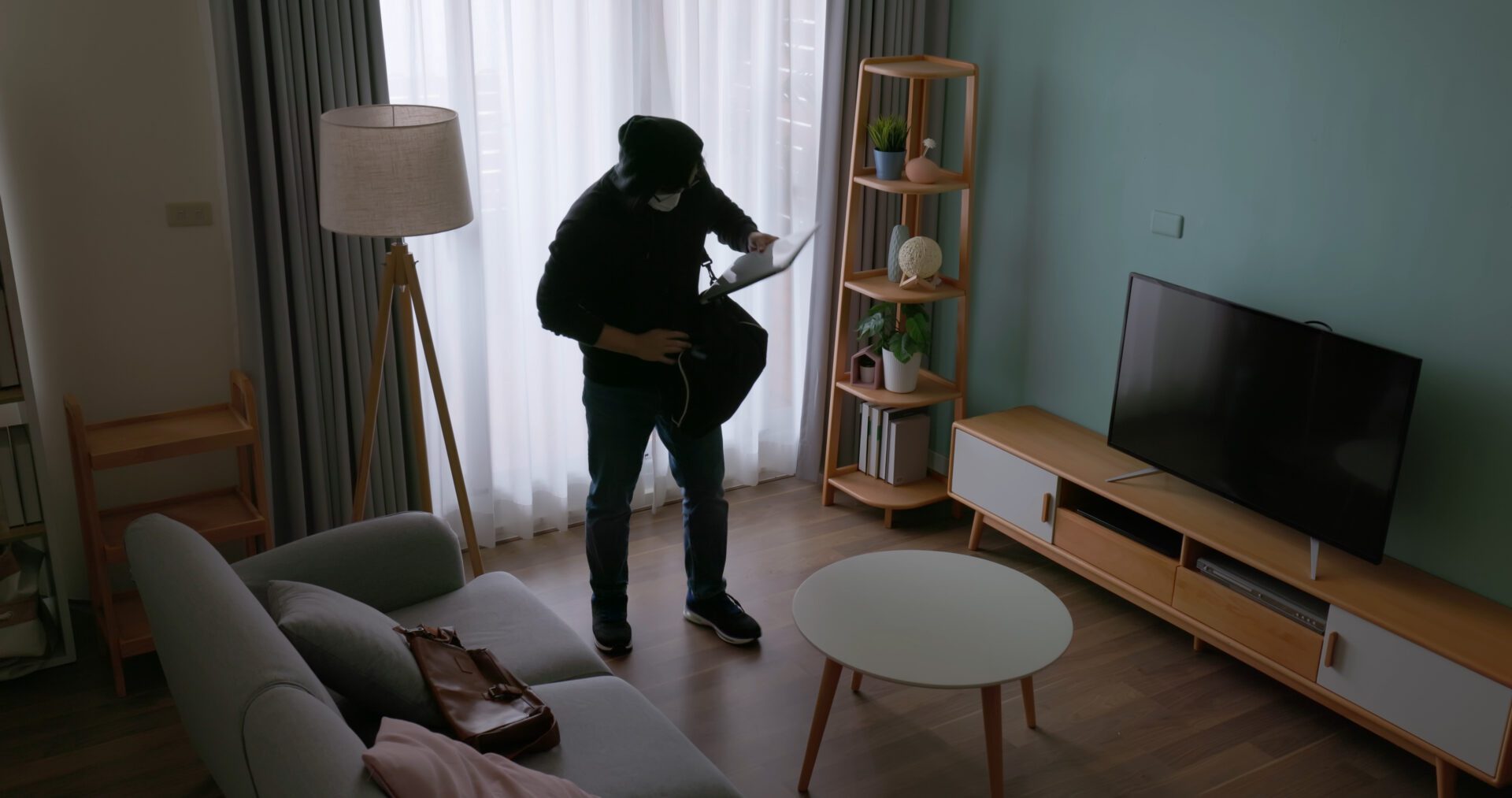
Your door lock is one of the most important parts of your home security. If it is weak, worn or badly fitted, it can make your property easier to access.
At Rockhopper Locks, we often see homes where the door itself is strong, but the lock is no longer suitable. Older locks may still turn with a key, yet they may not protect against common break-in methods such as snapping, drilling or forced entry.
Choosing the right lock helps protect your home, supports insurance requirements and makes your property less appealing to opportunistic burglars.
What Makes A Door Lock Secure?
A secure door lock should be strong, correctly fitted and suitable for the type of door. It should also meet recognised UK security standards where required.
The right lock should help protect against:
- Lock snapping
- Drilling
- Picking
- Forced entry
- Poor door alignment
- Everyday wear
For many homes, the best option depends on the door. uPVC and composite doors usually use euro cylinder locks, while wooden doors often use mortice locks. A professional local locksmith can assist you in finding the right locks for your requirements – contact Rockhopper Locks now.
Euro Cylinder Locks For uPVC And Composite Doors
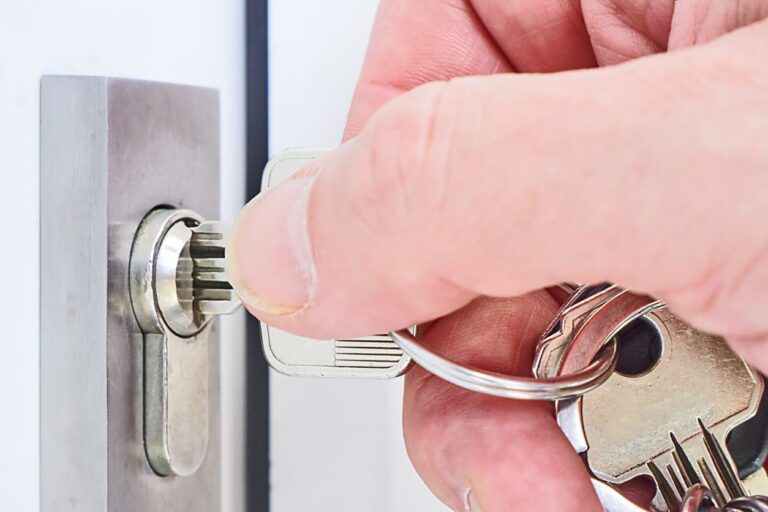
Euro cylinder locks are common across UK homes, especially on uPVC and composite doors. They are fitted through the door and work with the multi-point locking system.
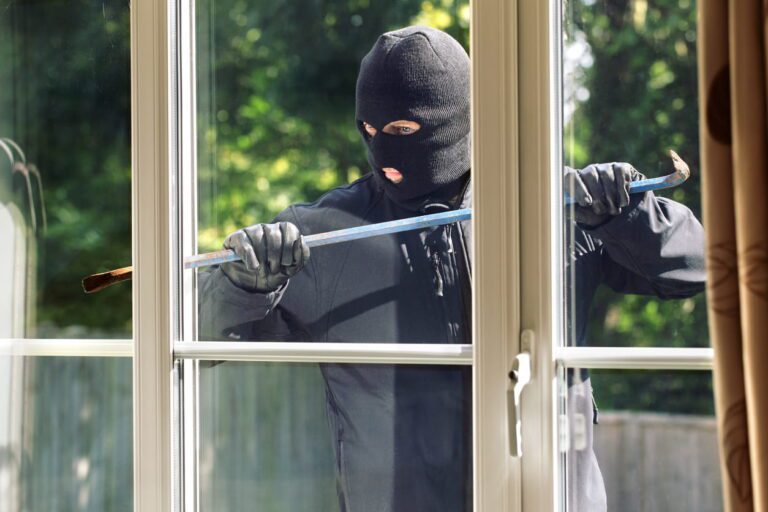
A basic euro cylinder can be a weak point if it lacks anti-snap protection. Lock snapping is a common burglary method in which force is applied to the cylinder to access the internal mechanism.
An anti-snap euro cylinder is designed to protect the locking mechanism against forced entry. This makes it a much stronger option for modern doors.
When choosing a euro cylinder, look for a high-security option that is correctly sized for your door. A cylinder that sticks out too far can be easier to attack.
Mortice Locks For Wooden Doors
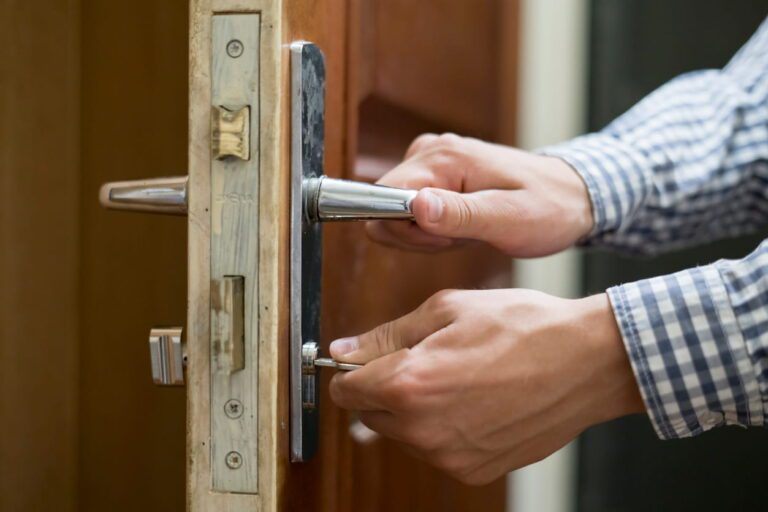
Mortice locks are fitted into the body of a wooden door. A good quality 5-lever mortice deadlock can provide strong protection when installed correctly.
For external wooden doors, a BS 3621 mortice lock is often recommended because it has been tested against common attack methods. It may also be required by some home insurance policies.
Mortice locks are often used on front doors, back doors and older properties. They work best when the door and frame are in good condition. A strong lock will not perform properly if the timber is damaged, loose or poorly aligned.
Are Smart Locks A Good Option?
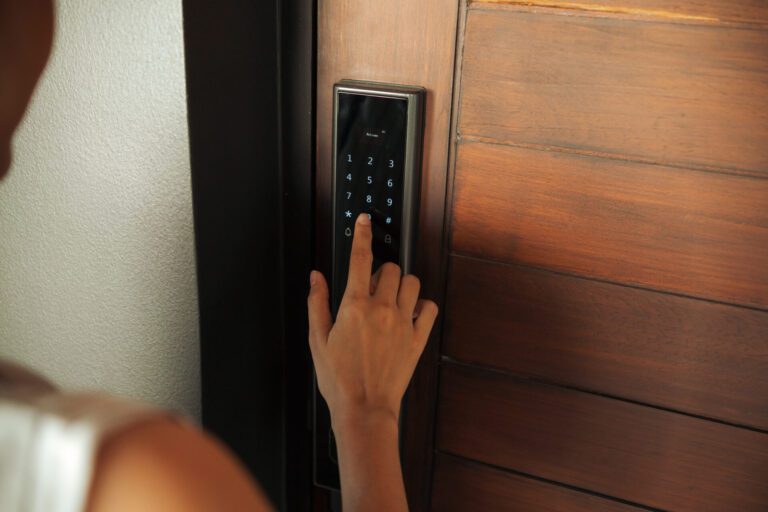
Smart locks and digital locks can be useful for some homes. They allow access via codes, apps, or keyless systems, which can help if you need flexible entry for family members, guests, or rental use.
However, smart locks should not be seen as a replacement for physical security. A digital system still needs a secure door, a strong locking mechanism and reliable installation.
Smart locks can be helpful when used carefully, especially for convenience. The key point is to ensure the door remains protected by a reliable mechanical lock or a secure locking system.
Why Are Anti-Snap Locks Important?
Anti-snap locks are one of the most important upgrades for uPVC and composite doors. Many older euro cylinders do not provide sufficient protection against lock snapping, which can allow quick entry if the lock is vulnerable.
A good anti-snap lock is designed to fail safely if attacked. The outer section may break away, but the internal part stays protected, making it much harder for someone to open the door.
Rockhopper Locks can check your current cylinders and let you know if they need upgrading to a more secure option.
Do You Need British Standard Locks For Insurance?
Many UK home insurance policies require external door locks. If your locks do not meet the required standard, it may affect a claim after a break-in.
It is worth checking your policy and your current locks. Common standards include BS 3621 for suitable mortice locks and TS 007 for high-security euro cylinders.
A professional locksmith can help confirm what you have fitted and whether your locks are suitable for your door and insurance needs.
When Should You Replace Your Door Locks?
You should consider replacing or upgrading your locks if:
- The lock is stiff, loose or unreliable
- The key is difficult to turn
- The cylinder sticks out from the door
- The lock does not meet current security standards
- You have recently moved home
- Your keys have been lost or stolen
- You are unsure who has access to the property
Replacing a weak lock is a simple way to improve home security without making major changes to the property.
Secure Your Home With Rockhopper Locks Today
The best door lock for your home depends on your door type, current security level and how the property is used. Anti-snap euro cylinders are a strong choice for many uPVC and composite doors, while BS 3621 mortice locks are often suitable for wooden doors.
Good locks should make forced entry harder, reduce obvious weak points and help protect your home day to day.
For reliable locksmith advice and lock upgrades across Surrey, Hampshire and Berkshire – including areas of Ascot, Camberley, Odiham, and more – contact Rockhopper Locks today. We can check your current locks, explain your options clearly and fit secure solutions that suit your property.